
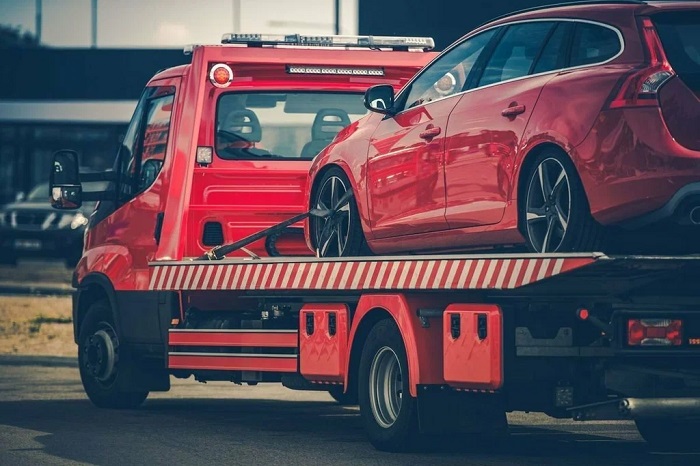
Vehicle towing on a website requires compliance with certain rules and standards to ensure the safety and security of the vehicle during transportation. Properly performed procedures help prevent damage and expedite the vehicle’s delivery to its destination.
Special attention is paid to vehicle securing procedures, which ensure its stability and prevent potential accidents during transport. Compliance with vehicle organization and securing requirements is mandatory when towing a vehicle on a website.
Vehicle Towing Requirements: Preparatory Stage and Documentation
Before beginning the vehicle towing procedure, it is necessary to carry out preparatory measures to ensure the safety and efficiency of the work. First and foremost, ensure that the tow truck is equipped with the necessary equipment and is prepared for vehicle transportation. It is important to check the security of the fastenings, the presence of protective elements, and the availability of certificates and permits for the use of the vehicle for towing. It is also important to establish the correct route, avoiding narrow and busy areas to minimize the risk of injury to other road users.
It is especially important to prepare all necessary documentation confirming the legality of the towing operations. The relevant documents must be prepared and executed on-site: a vehicle detention report, a contract for the towing work, as well as protocols and orders issued by authorized bodies. The driver or person responsible for the vehicle is required to obtain copies of all completed documents evidencing the actions performed and confirming the legality of the towing in the event of disputes or appeals to regulatory authorities.
Practical Tips for Properly Securing Vehicles on a Tow Truck
In practice, it is important to consider all the features of the specific vehicle and the type of tow truck used to secure the vehicle as correctly and safely as possible.
Practical Recommendations for Properly Securing a Vehicle
- Choosing Tie-Down Points: Use specialized fasteners and hooks designed for your vehicle. They should be located on strong body parts, such as frames or designated mounting points.
- Using High-Quality Fasteners: Use stretch wire, cables, chains, and straps that meet load and strength requirements. Avoid using worn or damaged fasteners.
- Load Distribution: Ensure even tension on straps and chains to prevent distortion and damage to the vehicle body.
- Wheel Securing: Use blocks and straps to secure the wheels to prevent them from moving during transport.
- Securing Check: After installing all components, perform an additional tension and securing check to ensure there is no play or movement.
- Documentation and Compliance: Follow the tow truck manufacturer’s instructions and legal requirements, and adhere to traffic laws during transport.
In summary, properly securing your vehicle on a tow truck is essential for its safety and security during transportation. Carefully following all recommendations and adhering to these rules will help prevent damage and ensure the safe transportation of your vehicle.