
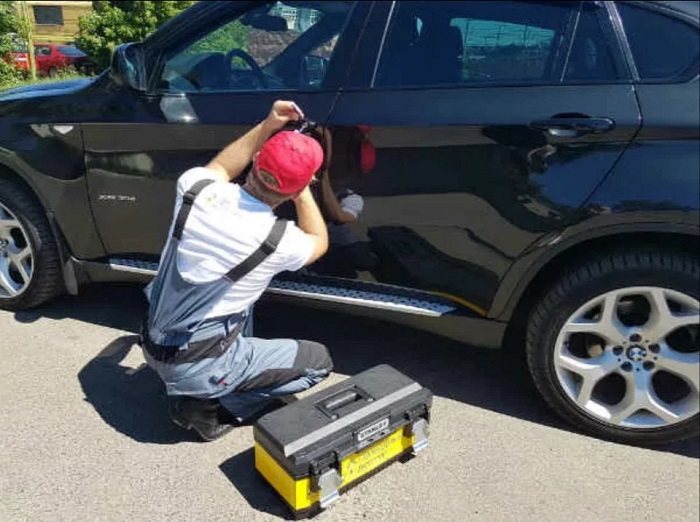
Car locksmithing is a procedure that may be necessary if keys are lost or the locking system fails. In such situations, it’s important to contact professionals to avoid damage and additional costs. A car locksmith in Toronto has the necessary skills and tools to quickly and safely open a car, adhering to all established safety regulations and standards.
Rules for Safely Opening a Car Without Damage
When opening a car without damage, it’s important to follow certain rules to avoid damaging the body and mechanical components. Before beginning the procedure, we recommend thorough preparation and familiarizing yourself with the car’s design to select the most gentle opening methods.
Proper technique and proper procedure can minimize the risk of damage and speed up the opening process. Below are the basic guidelines to follow for this job.
Basic Rules for Safely Opening a Car
- Use the Right Tools: Choose tools specifically designed for opening car locks, such as a pick or plastic blades, to avoid damaging the paintwork and lock.
- Work Carefully: Do not apply excessive force to avoid damaging the door frame or the internal mechanisms of the lock.
- Proceed in stages: Start with less invasive methods, such as using plastic cards or special tools for pressing the lock.
- Study the Lock’s Design: Understanding the type and design of the lock will help determine the best method for opening without damage.
Safety Tips Opening
- Disconnect the battery before starting work to avoid short circuits or alarms.
- It is generally recommended to open door locks from the side where damage is least likely – usually the side of the door.
- When using plastic or removable tools, avoid sudden movements and strong pressure to avoid damaging the internal mechanisms.
- If you encounter difficulties, it is best to contact specialists experienced in safely opening cars.
Preparing Tools and Materials for Accurate Opening
Before starting the car opening procedure, it is important to properly prepare all the necessary tools and materials. This ensures the safety of the procedure and minimizes the risk of damage to the body or interior components of the vehicle.
A basic tool kit should include various blades and screwdrivers, specialized tools for carefully removing panels and locks, and a set of plastic and metal spudgers to allow access under panels without causing unnecessary damage.
Important Considerations When Preparing Tools and Materials
Tool Quality: Choose tools made of durable materials to avoid breakage during work. It’s a good idea to have a set with different types of screwdrivers, putty knives, and thin spatulas.
Protection and fixation materials: It’s a good idea to prepare soft pads, cloth napkins, or soft film to protect the paintwork and interior surfaces of the car from scratches and other damage.
Additional materials: Use tools to tighten or fix removed parts, as well as sealants or special adhesives to restore the seal after the work is completed.
Conclusion: Minimizing damage when opening a car
Using the right tools, clearly planning the action, and a comprehensive inspection of possible access points allow you to achieve a successful result with minimal investment of time and resources, and also eliminate the need for subsequent costly repairs.
Steps for finding a lock or latch to minimize damage
- Review and identification of access pointsInspect door panels, window surrounds, and interior surfaces to identify possible locations of latches and locks.
- Using Special ToolsUse thin, flexible tools, such as plastic or metal pry bars, to gently pry the trim without damaging it.
- Carefully Tracing MechanismsProceed gradually toward the marked point, avoiding excessive pressure and sudden movements.
- Checking and Confirming the LocationPalp or use light and visual cues to accurately locate the lock or latch.
- Carefully Removing and Opening the MechanismUse a pulators and special tools for safely removing components to avoid damage or deformation.
Proper completion of all steps results in minimal damage and quick, safe vehicle opening. A clear sequence, precision, and the use of appropriate tools ensure high-quality work with minimal costs and risks.