
Buying a piece of jewelry is not just a matter of taste; it also requires verifying facts such as the authenticity of the metal, the quality of the gemstones, and the security of the settings. A mistake during the selection process can lead to overpaying, premature wear, or unpleasant surprises after wearing the item just once.
To ensure a safe purchase, it is important to check the documentation, hallmarks, and the piece itself, as well as to recognize the signs of a counterfeit or poor-quality item. Below are some practical steps to help you evaluate the jewelry right in the store.
Inspecting the jewelry: quality, stones, and comfort
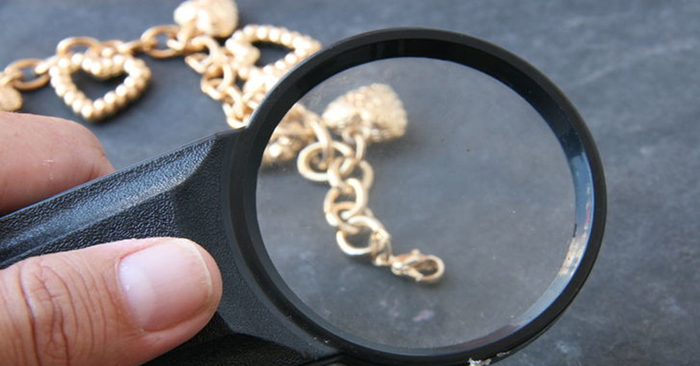
Examine the piece in bright light and, if possible, use a magnifying glass. High-quality craftsmanship is evident in neat polishing, symmetry, clean lines, and the absence of sharp burrs. Pay attention to the inner surfaces of rings and bracelets; signs of sloppy finishing are often more visible there.
- Scratches and dents: a new piece should be free of these, with the exception of minor marks from display handling that the salesperson has disclosed beforehand.
- Soldering and joints: connection points should be neat, without rough blobs of solder or dark discoloration.
- Coatings: if the piece is rhodium-plated or gold-plated, ask about the specific process used and the expected durability of the finish during wear.
Stone settings: security matters more than sparkle
Stones should sit evenly and securely, without any looseness or wobbling. Gently run your finger over the setting or prongs; they should not snag on your skin or clothing.
If the stone is loose, makes a slight clicking sound when tapped, or appears misaligned, it is best to pass on the purchase.
- Examine the prongs: they should hold the stone securely and evenly, and be of uniform height.
- Check the setting’s symmetry: the stone should be centered in the mount without tilting.
- Assess the area around the stone: cloudy spots, excess glue, or dirt could be hiding defects.
Distinguishing natural stones from imitations
Visually distinguishing a natural stone from a synthetic one or an imitation can be difficult, so rely on documentation and the seller’s reputation. Ask if the stone has undergone any treatments (such as heating, fracture filling, or dyeing)—these aren’t necessarily bad, but they should be honestly disclosed and reflected in the price. For expensive stones, it is wise to request supporting documentation or an expert appraisal.
If you need to compare the characteristics of metals, hallmarks, stones, and verification methods in one place, you can find more information about jewelry on the https://luxebrokersgroup.com/sell/estate-jewelry/.
Practical questions to ask the seller before paying
Ask a few specific questions and request to see the corresponding details in the documentation. A good seller will calmly explain the specifics without rushing you.
- What is the metal and its fineness (purity)? Where is the hallmark located on the piece?
- Have the stones undergone any treatments? What specific procedures were performed?
- How should it be cared for? Can it get wet? Is it safe to use household chemicals or wear it to the gym?
- Is there a service policy? Are polishing, stone resetting, and clasp repairs covered by the warranty or available for a fee?
A thorough check combines careful visual inspection with written verification. The more expensive the piece of jewelry, the more important it is not to rely solely on surface sparkle, but rather on hallmarks, proper documentation, and the quality of craftsmanship in every detail.
Determine the purpose of the purchase: daily wear, a gift, or an investment
Before evaluating the metal purity, gemstones, clasps, and paperwork, define the purpose of the purchase; this determines the requirements regarding durability, appearance, size, budget, and the set of authenticity documents.
The same item might look equally attractive but prove to be a poor choice depending on whether it is intended for daily wear, as a gift, or as an investment; the evaluation criteria and acceptable compromises differ for each scenario.
Evaluation criteria based on purchase purpose
1) Daily wear
- Practicality: choose wear-resistant metals and finishes; check for sharp edges and ensure the reliability of prongs, settings, and stone mountings.
- Comfort: assess the fit, the smoothness of the inner surface, the ease of using clasps, and the security of chains or bracelets.
- Repairability: inquire about the ease of replacing a stone, restoring the polish, or fixing a clasp, and check if the seller offers repair services.
- Documentation: a tag/hallmark, receipt, and a clear description of specifications (metal, purity, gemstones) are sufficient.
2) A gift
- Versatility: opt for a neutral design, safe sizing (especially for rings), and hypoallergenic metals.
- Impression and integrity: verify that the stated specifications match the actual ones (purity, weight, stone type) to avoid… disappointment.
- Completeness: packaging, the receipt, the warranty, exchange/return options, and—for high-value items—a certificate for the gemstones are all important.
- Symbolism: check engravings and personalized elements with particular care; corrections are usually difficult or impossible.
3) Investment
- Liquidity: standardized specifications are preferable (fineness/alloy, clear weight, common cuts and gemstone characteristics).
- Documentation: request as much documentation as possible—receipts, contracts/descriptions, gemstone certificates, and proof of origin and specifications.
- Condition and modifications: inquire about any restorations, re-soldering, stone replacements, or treatments (such as color or clarity enhancement), as these factors affect resale value.
- “Off-the-shelf” valuation: separately analyze the brand or design markup versus the actual value of the metal and stones; note the specifications that will influence future appraisals.
Bottom line: the purpose of the purchase dictates the “right” verification criteria. For daily wear, prioritize durability and comfort; for a gift, versatility and exchangeability; for an investment, documented authenticity and liquidity. Define your goal before buying and evaluate the piece based on the specific parameters relevant to your intended use.