
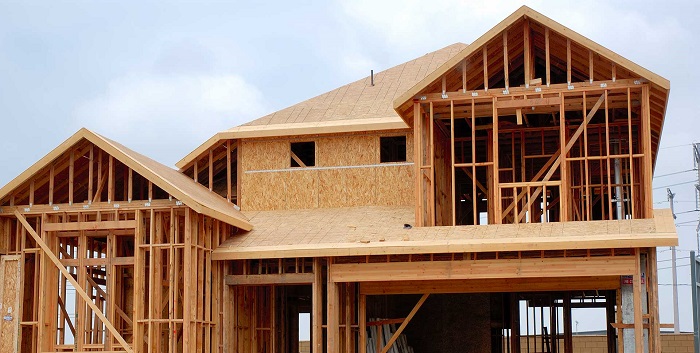
Canadian house construction technology has gained popularity due to its energy efficiency, ease of installation, and high quality standards. This method allows for the construction of reliable and thermally insulated structures in a short time, which is especially important in cold climates. Before beginning construction, it is important to familiarize yourself with the basic rules and recommendations on https://asapreno.ca/ to ensure the safety and durability of your future home.
For those planning their own project, it is important to know that ordering renovations and construction online allows you to receive professional assistance and advice, as well as select the most suitable materials and technologies. Selecting the right contractors and following technical recommendations will help avoid mistakes and make the construction process as convenient and efficient as possible.
Site Preparation Stages for Building a Canadian House
Before beginning construction of a Canadian house, it is important to thoroughly prepare the site to ensure its stability and durability. This stage includes a series of activities aimed at analyzing and preparing the soil, as well as organizing the on-site infrastructure.
Proper site preparation will help avoid future problems, such as uneven foundation settlement or cracks in the walls. Therefore, it is necessary to carefully approach all preparatory work.
Key Stages of Site Preparation Before Construction
- Soil Analysis and Assessment – Conducting geological surveys to determine the soil type, its bearing capacity, and groundwater levels.
- Site Clearance – Removing vegetation, debris, and loose soil to create a level and solid foundation.
- Marking and Excavation – Precisely marking the boundaries of the building on the site and removing the topsoil at design elevations.
- Drainage System Installation – Installing drainage pipes and creating retaining walls to drain excess moisture and prevent flooding.
- Foundation Preparation – Laying a sand or crushed stone cushion to ensure uniform loading and good drainage.
Optimal Methods of Wall Thermal Insulation According to the Canadian Methodology
When building a house using Canadian technology, special attention is paid to effective wall insulation. This ensures indoor comfort and minimizes heat loss during the cold season. Selecting the right materials and insulation methods plays a key role in the durability and energy efficiency of the structure.
One of the most common and proven methods is the use of mineral wool or expanded polystyrene placed within the wall frame. These materials have high thermal insulation properties and good vapor permeability, preventing condensation and mold growth. It is also recommended to use modern thermal insulation boards with a high thermal insulation value to ensure a minimal insulation layer and preserve interior space.
Methods of thermal insulation of walls using Canadian technology
- Soft insulation inside the frame – mineral wool or polyurethane foam – is laid in the spaces between the bohemian and the cladding, creating reliable thermal insulation.
- Hard thermal insulation boards – expanded polystyrene or extruded polystyrene (XPS) – are installed on the outside of the walls, covered with a vapor barrier, and protected with cladding material.
- The use of membranes and vapor barriers ensures the necessary vapor exchange, preventing moisture formation inside the walls and increasing the thermal efficiency of the system.
- Insulation installation: it is important to carefully fill all spaces without gaps to ensure uniform insulation throughout Surface.
- Insulation Protection: Use vapor barrier membranes to prevent moisture penetration into the insulation, thereby preserving its thermal insulation properties.
- Cladding Materials: It is recommended to choose moisture-resistant and durable exterior cladding that will protect the insulation and wall structure from atmospheric influences.
Roof Installation and Leak Prevention Features
To prevent leaks, it is necessary to strictly adhere to established rules and recommendations, as well as regularly conduct inspections and preventive maintenance of the roofing system. Proper installation significantly reduces the risk of future problems.
Basic Rules for Roof Installation and Leak Prevention
- Choosing high-quality materials – using waterproofing membranes, water-resistant roofing materials, and high-quality fasteners.
- Ensuring the correct roof slope – a slope of at least 20° for water drainage, which prevents moisture accumulation.
- Sealing joints and connections – using professional sealants and films, sealing abutments and junctions to the walls.
- Installing waterproofing layers – installing protective membranes under the roof covering and inside structures.
- Correct placement of roofing elements – installing vent trusses, eaves overhangs, and gutter systems according to the manufacturer’s recommendations.
Roofing installation using Canadian technology requires adherence to a number of important rules and recommendations to ensure waterproofing and reliability. Proper selection of materials, high-quality installation, and regular maintenance can significantly reduce the risk of leaks and ensure a long service life for the roofing system. Adherence to these principles will ensure the safety of your home and the comfort of its occupants for many years to come.