
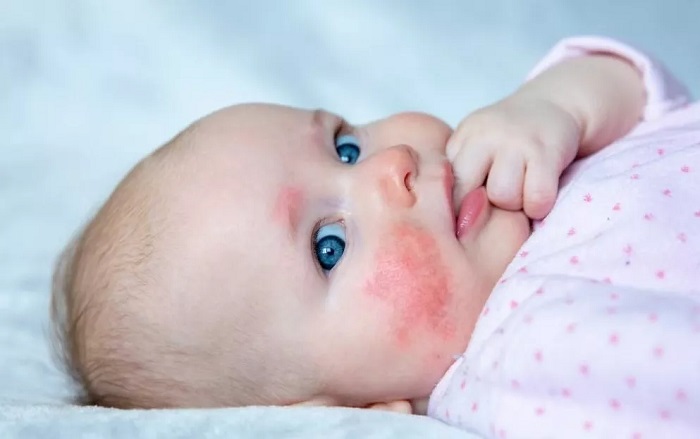
Allergies can develop very early in life, and recognizing the symptoms in infants is essential for timely care and comfort. Because babies cannot communicate how they feel, allergy symptoms can sometimes be mistaken for common infant issues. Understanding the early signs of allergies in infants helps parents and caregivers respond quickly and seek medical advice when needed.
This article covers common allergy symptoms in babies, potential triggers, and when to consult a pediatrician.
What Are Infant Allergies?
Infant allergies occur when a baby’s immune system reacts to a substance that is usually harmless, such as certain foods, pollen, dust, or pet dander. These substances, known as allergens, trigger the body to release chemicals like histamine, leading to allergy symptoms.
Allergies can appear within the first few months of life and may vary from mild to severe.
Common Early Signs of Allergies in Infants
1. Skin Reactions
Skin symptoms are often the first noticeable signs of allergies in babies.
- Red, itchy rashes
- Hives (raised, swollen patches on the skin)
- Eczema flare-ups, especially on the face, elbows, or knees
- Swelling around the eyes, lips, or face
Persistent or worsening skin issues may indicate an allergic reaction.
2. Digestive Problems
Food allergies commonly affect an infant’s digestive system.
- Frequent vomiting or spit-up
- Diarrhea or mucus in stool
- Blood-streaked stools
- Excessive gas or abdominal discomfort
- Unusual fussiness after feeding
These symptoms often occur shortly after feeding.
3. Respiratory Symptoms
Some allergies affect an infant’s breathing or nasal passages.
- Chronic nasal congestion
- Runny nose not linked to a cold
- Sneezing frequently
- Coughing or wheezing
If breathing becomes difficult, seek medical attention immediately.
4. Persistent Crying or Irritability
Unexplained fussiness that doesn’t improve with feeding, sleep, or diaper changes may be linked to allergic discomfort, especially when combined with other symptoms.
5. Eye Symptoms
Allergies can also affect the eyes.
- Red or watery eyes
- Itchy eyes (babies may rub them often)
- Swelling around the eyelids
Common Allergy Triggers in Infants
- Food allergens: Cow’s milk, eggs, peanuts, soy, wheat
- Environmental allergens: Dust mites, pet dander, pollen, mold
- Skin irritants: Soaps, detergents, fragrances, lotions
- Medications: Rare but possible allergic reactions
Identifying triggers can help reduce exposure and symptoms.
When to See a Doctor
Consult a pediatrician if your infant:
- Shows recurring symptoms after feeding
- Has moderate to severe skin rashes
- Experiences frequent vomiting or diarrhea
- Displays breathing difficulties or wheezing
- Has poor weight gain
Seek emergency care immediately if your baby has:
- Difficulty breathing
- Bluish lips or skin
- Severe facial swelling
- Signs of anaphylaxis (a rare but serious allergic reaction)
How Allergies Are Diagnosed in Infants
Doctors may use:
- Medical history and symptom tracking
- Elimination diets (for food-related allergies)
- Skin or blood tests (in certain cases)
Diagnosis is often gradual, especially in very young infants.
Managing Allergies in Infants
- Avoid known or suspected allergens
- Use fragrance-free skincare and laundry products
- Follow pediatric feeding recommendations
- Keep living spaces clean and dust-free
- Always consult a doctor before giving medications
Proper management can significantly improve your baby’s comfort and well-being.
Conclusion
Recognizing the early signs of allergies in infants is crucial for protecting their health and comfort. Skin reactions, digestive issues, respiratory symptoms, and persistent fussiness can all signal an allergy. Early diagnosis and proactive care help prevent complications and allow infants to thrive.
If you suspect your baby has an allergy, consult a pediatrician for personalized guidance and support. Early attention makes a lasting difference in your child’s health journey.